Panthenol (Pro-Vitamin B5) in Korean Skincare: What It Does and Who It Suits
A humectant, soothing agent, and barrier-support ingredient that shows up across almost every step of a K-beauty routine.
Panthenol — INCI: Panthenol, commonly called pro-vitamin B5 — is one of the most quietly universal ingredients in Korean skincare. It draws moisture into the skin, helps reduce water loss through the barrier, and helps calm the look of irritation, and it is generally well tolerated. It suits most skin types and pairs well with both gentle and active-heavy routines.
Who Should Read This
If your skin has ever felt tight after cleansing, reacted to a new active, or struggled through a dry winter or long-haul flight, panthenol in Korean skincare is worth understanding. It is the kind of ingredient that does not demand attention but keeps showing up in the products that actually work — toners, serums, masks, sunscreens, and everything in between. This article covers what panthenol is, why Korean formulators reach for it so often, and which products and routines on Kayty feature it.
What Panthenol Is
Panthenol is an alcohol analog of pantothenic acid, which makes it a provitamin of B5. In skincare it is also called dexpanthenol, D-panthenol, or pro-vitamin B5, but on an ingredient label you will always find it listed as its INCI name: Panthenol. Upon topical application, panthenol penetrates the stratum corneum and is converted into pantothenic acid, an essential component of coenzyme A — a coenzyme involved in lipid metabolism and energy production that contributes to the synthesis and maintenance of fatty acids and sphingolipids, which are crucial for the integrity and function of the skin barrier.
Panthenol comes in two enantiomers, D and L; only D-panthenol is biologically active. For cosmetic use, panthenol appears either in D form or as a racemic mixture of D and L, known as DL-panthenol. Both forms function as effective humectants in a formula.
What It Does in a Formula
Panthenol works on three levels at once, which is why formulators use it so reliably.
Panthenol is a humectant, meaning it holds and binds water — it attracts moisture in the air and binds itself to water molecules, keeping the skin hydrated for longer than surface-applied moisture alone would allow. Research has shown that it decreases transepidermal water loss — that is, water that evaporates through the skin.
Panthenol may help support the skin barrier by encouraging lipid synthesis and epidermal differentiation, which helps hydrate the outermost layer of the skin and locks in moisture.
Finally, panthenol has humectant and skin-smoothing properties that make it a dependable soothing agent. Research shows it can reduce irritation caused by other ingredients, which is part of why it appears alongside actives like retinol and exfoliants — it helps keep the skin calm while stronger ingredients do their work.
In terms of concentration, the typical usage rate in cosmetic formulation is 0.3–5%. Dedicated barrier-repair products sometimes push higher, into the 5–10% range, while leave-on products for everyday use tend to stay in the lower half of that window.
How It Shows Up in Korean Skincare
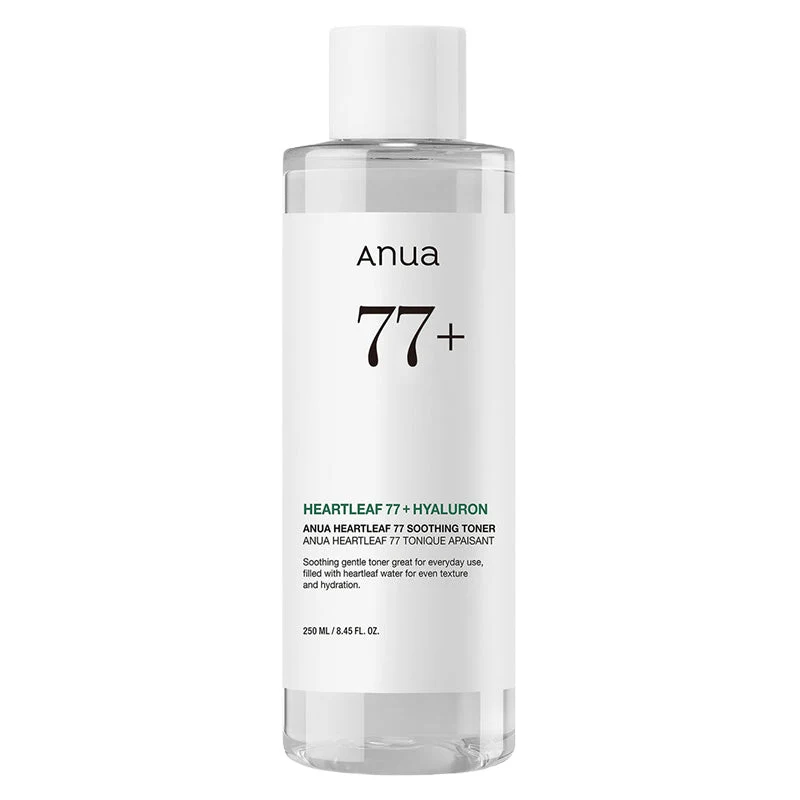
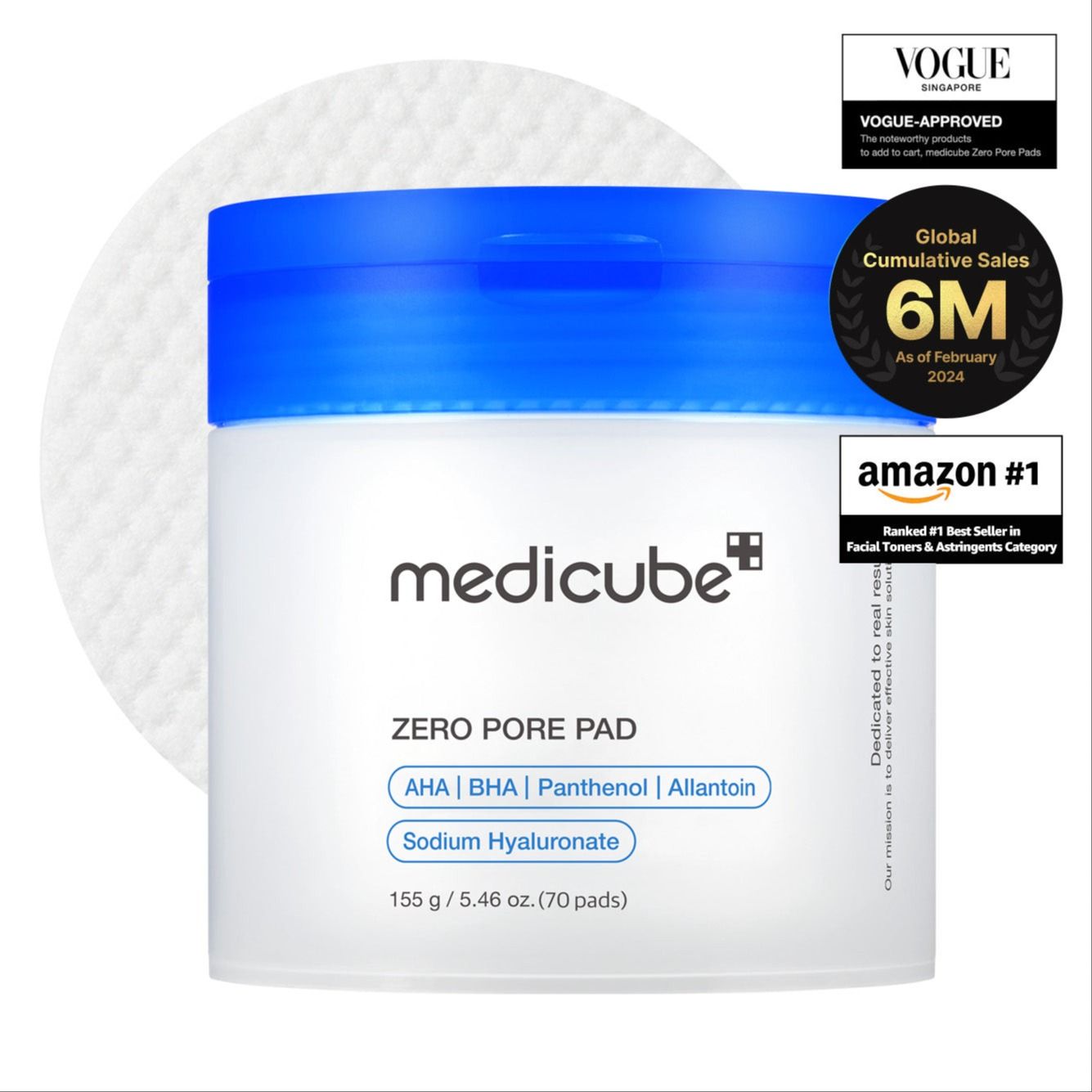
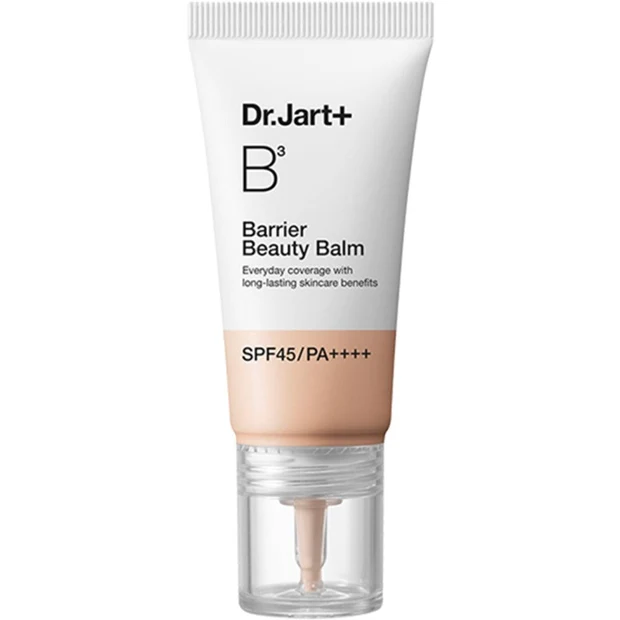
Panthenol is present at multiple steps in a typical Korean skincare routine because it is in so many products. Walk into any pharmacy or beauty retailer in Seoul and you will find it in toner pads, first essences, hydrating serums, sleeping masks, and BB creams — sometimes listed prominently on the front of the packaging, sometimes quietly doing its job midway down the ingredient list.