Korean Skincare for Men in 2026: Simpler Routines, Same Products
More men are starting K-beauty routines — and they are reaching for the same gender-neutral products everyone else uses.
Korean skincare for men in 2026 is less about dedicated "men's" lines and more about the same lightweight, functional products that anyone would use — toner, a targeted active, and sunscreen — condensed into three or four steps that fit inside a morning commute. The shift is happening both in Seoul and abroad, driven by convenience and results-first formulas.
Who This Is For
If you have been curious about Korean skincare for men in 2026 but assumed the category was complicated, or female-coded, or dependent on a ten-step shelf you don't have room for, this article is for you. It's also useful if you've already built a basic routine and want to know what a few targeted upgrades look like without blowing up your morning.
The products discussed here are not marketed specifically to men. That is the point. In South Korea, taking care of one's skin is a daily act of confidence and balance — Korean men have been part of a broader cultural shift that treats skincare as a universal habit, not a gendered one. The formulas are light, the routines are short, and the results are real. None of that changes based on who's buying.
What Is Actually Happening Right Now
Korean male skincare normalization happened roughly a decade before the same shift started in the West, and multi-step male routines have been a cultural norm in Korea for years. What's new in 2026 is the speed at which that attitude is crossing over globally — and the formats driving it.
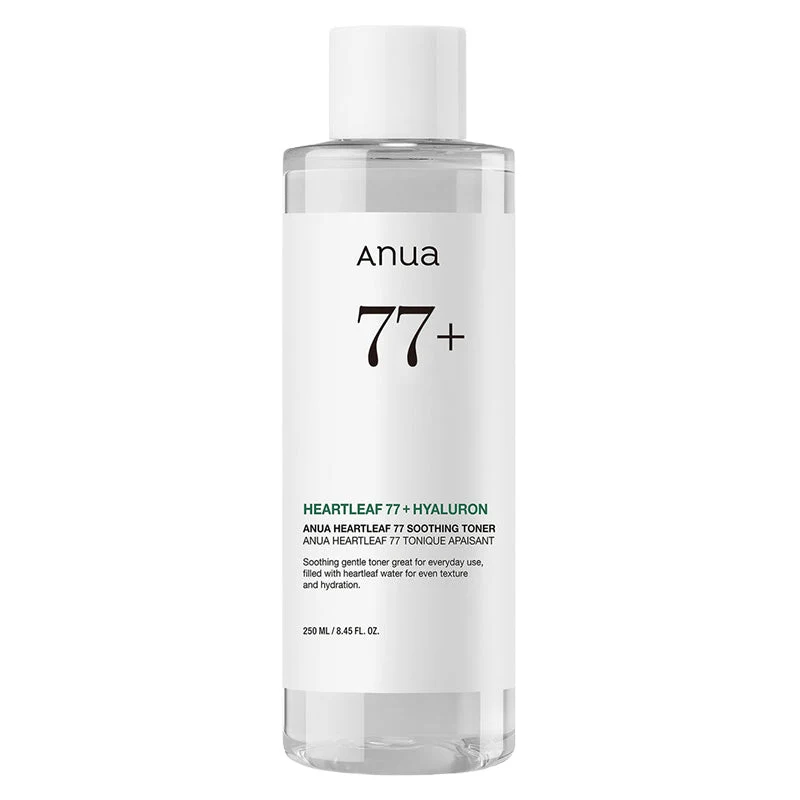
Gender-neutral brands like Anua have been notably male-adopted abroad, with their products traveling through word of mouth among men who were never the intended marketing target but found that the formulas simply worked for their skin.
The retail environment is accelerating this too. In August 2026, Sephora and CJ Olive Young launched a global retail partnership, bringing 19 Olive Young-curated Korean beauty brands to more than 500 Sephora stores in the US and on Sephora.com. Meanwhile, overseas travelers spent more than KRW 1 trillion at Olive Young stores in Korea between January and August 2026, up 47% year over year. K-beauty is becoming the default reference point for anyone building a skincare routine from scratch — and men entering the category are arriving at exactly this moment.
The Shift Toward Fewer, Smarter Steps
The old idea that K-beauty requires ten steps was always a simplification. In practice, most people in Seoul are not doing ten steps every morning. What Korean skincare has always offered is a flexible framework: you can run the full routine when you have time, and strip it back when you don't, without abandoning the products.
Korean brands have recognized that most men prefer streamlined routines, and the Korean skincare philosophy aligns naturally with what that audience wants. Korean brands have also mastered the art of intuitive skincare, and their lightweight textures and multifunctional formulas appeal to anyone who wants results without too much time spent.
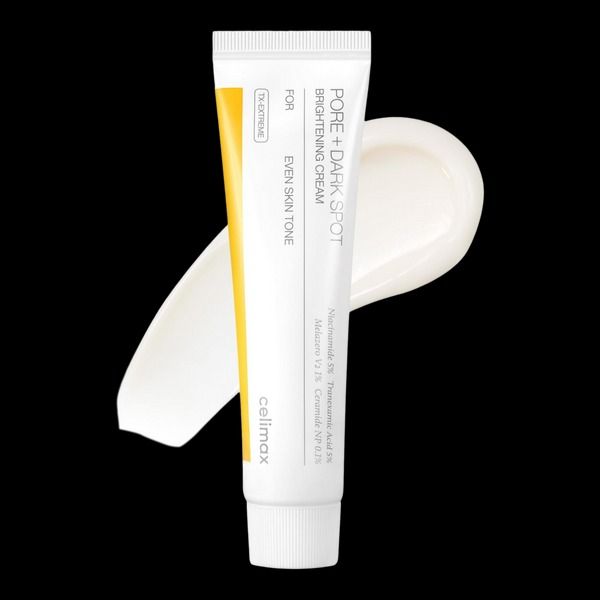
The floor for a working routine right now is four steps in the morning: a cleanser, a hydrating toner, a targeted cream or active, and sunscreen. For anyone who wants even fewer steps, an all-in-one toner-serum hybrid can consolidate the middle of the routine, and sunscreen remains the single most impactful morning step regardless of skin type. That's it. Everything else — neck cream, a brightening layer, a second sunscreen format for midday reapplication — slots in when you want it.